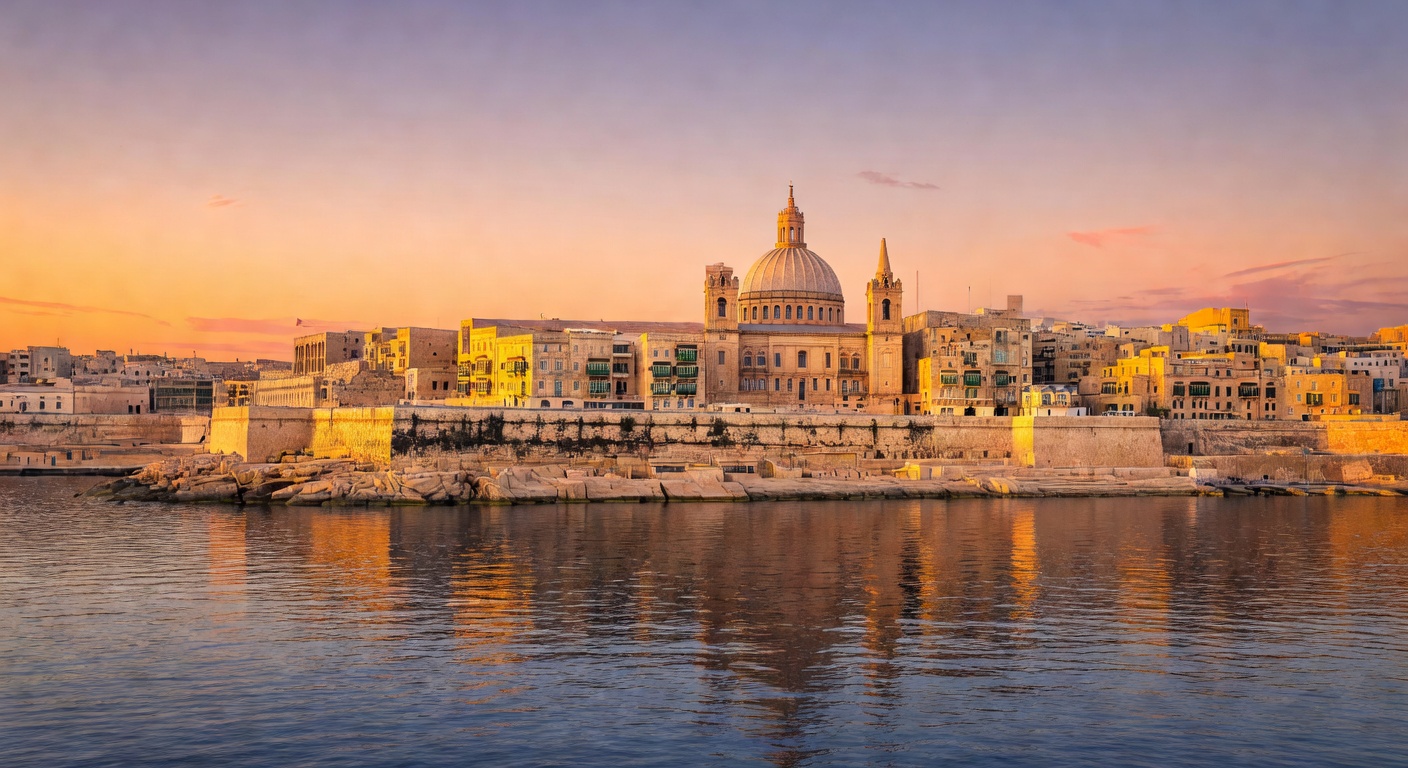
The Full History of Valletta
Valletta's story begins in blood and glory. After the Great Siege of 1565 — when a vastly outnumbered force of Knights Hospitaller held off the Ottoman Empire for nearly four months — Grand Master Jean de Valette commissioned an entirely new fortified city. Named after the heroic leader himself, Valletta was designed from scratch on a barren limestone peninsula, making it one of the first planned cities in Europe.
The Knights spared no expense. They recruited the finest military engineers and architects of the Renaissance, including Francesco Laparelli, who had worked on the fortifications of the Vatican. The result was a city of geometric precision: a perfect grid of streets designed to channel sea breezes, massive bastions to deter future attacks, and grand palaces that proclaimed the wealth and power of the Order.
Over the centuries, Valletta absorbed layer upon layer of influence — from Napoleonic occupation to British colonial rule. It was heavily bombed during World War II (earning Malta the George Cross for bravery), yet its core survived. Today, it stands as one of the most concentrated historic areas in the world, with 320 monuments within just 0.8 km².
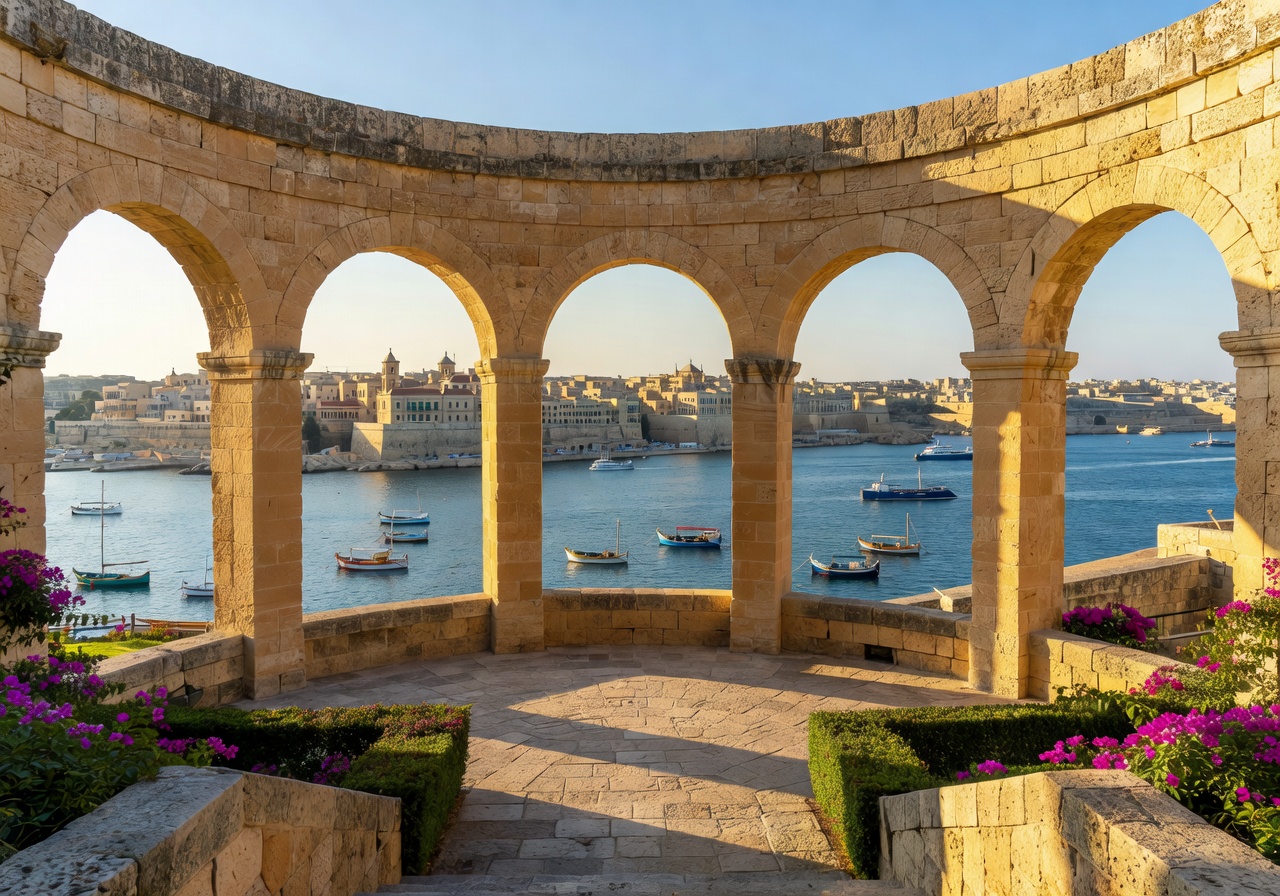 Upper Barrakka Gardens — one of the most iconic viewpoints in the Mediterranean
Why You Should Visit Valletta
Valletta isn't a city you merely see — it's one you feel. The morning light turns its limestone facades to gold. The narrow side streets are quiet enough to hear your own footsteps. Then you turn a corner and the Grand Harbour opens up before you, vast and shimmering, and you understand why painters and poets have been captivated by this place for centuries.
The city is remarkably walkable, and every few minutes brings a new discovery: the ornate interior of St. John's Co-Cathedral (which houses Caravaggio's largest masterpiece), the bustling Merchants Street market, the modern marvel of the Renzo Piano-designed Parliament building, or a hidden wine bar in a converted 400-year-old cellar. Valletta manages to be simultaneously ancient and contemporary, quiet and vibrant, monumental and intimate.
Best Things to Do in Valletta
- St. John's Co-Cathedral: Don't let the austere exterior fool you. Inside is one of Europe's most lavishly decorated churches, with every inch covered in gilded carvings, painted vaults, and marble tombstones of the Knights. Caravaggio's "The Beheading of Saint John the Baptist" — his largest work — hangs in the Oratory.
- Upper Barrakka Gardens: These elevated gardens on the city's bastions offer the definitive Valletta view — the Grand Harbour, Fort St. Angelo, and the Three Cities spread below. At noon and 4 PM, the Saluting Battery fires its cannons, a tradition dating back centuries.
- Strait Street: Once the notorious nightlife strip for British sailors (nicknamed "The Gut"), Strait Street has been reborn as Valletta's hippest corridor — lined with wine bars, jazz clubs, and intimate restaurants in vaulted stone spaces.
- The Grand Master's Palace: Now housing Malta's Parliament and the Armoury, this palace was the nerve centre of the Knights' operations for over 200 years. The Armoury collection of over 5,000 pieces is one of the world's largest.
- Fort St. Elmo: The star-shaped fortress at the tip of the peninsula, where the bloodiest fighting of the Great Siege took place. Today it houses the National War Museum, telling Malta's military story from the Bronze Age to WWII.
Best Time to Visit Valletta
The ideal time to visit Valletta is during the shoulder seasons — April to June and September to November. You'll enjoy warm, pleasant weather (20–28°C), fewer crowds than the peak summer months, and lower accommodation prices. Spring brings wildflowers blooming on the bastions, while autumn offers the warm Mediterranean sea temperatures perfect for combining city exploration with nearby beach visits.
If you don't mind heat, July and August bring the vibrant festa season, with spectacular fireworks, street decorations, and religious processions. Winter (December to February) is mild by European standards (12–16°C) and perfect for culture-focused visits without any queues.
Travel Tips for Valletta
- Wear comfortable shoes — the streets are steep and the limestone can be slippery.
- Visit St. John's Co-Cathedral first thing in the morning to avoid tour groups.
- The city gate bus terminus connects Valletta to every part of Malta — buses are cheap and efficient.
- For the best photography light, visit the Upper Barrakka Gardens at sunset.
- Many restaurants close between lunch and dinner — plan your meals accordingly.
- The Valletta ferry to the Three Cities (Birgu) costs just a few euros and offers stunning harbour views.
Hidden Facts About Valletta
Valletta has more churches per square metre than any other city in Europe — over 25 within its tiny footprint. The city's grid layout was revolutionary for the 16th century and was specifically designed so that every street would catch the sea breeze, creating a natural air conditioning system centuries before electricity. Beneath the streets lies an extensive network of WWII air raid shelters, carved deep into the limestone rock, which sheltered thousands of Maltese during the devastating Axis bombardment. Many of these shelters are now open to visitors and offer a haunting, powerful experience of wartime Malta.
The Local Experience
To experience Valletta like a local, start your morning at Café Cordina on Republic Square — the city's living room since 1837. Order a pastizz (a flaky pastry filled with ricotta or mushy peas) and an espresso, and watch the city wake up. Wander the back streets between Old Theatre Street and St. Ursula Street, where you'll find artisan workshops, hole-in-the-wall eateries, and locals hanging laundry from those iconic wooden balconies. In the evening, join the passeggiata — the Mediterranean tradition of the evening stroll — along Republic Street as the setting sun paints everything in honey and amber.