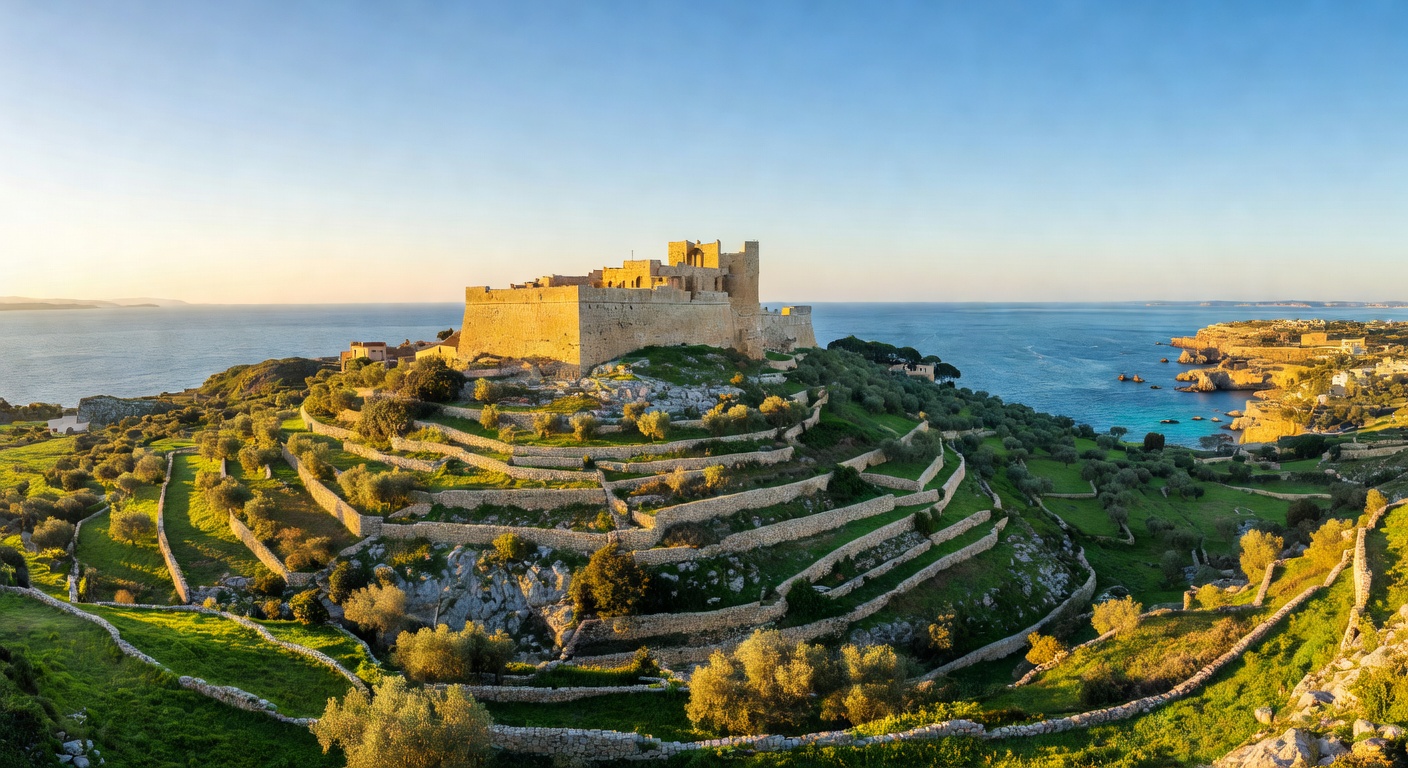
The Rich History of Gozo
Gozo — known as Għawdex in Maltese — has been inhabited since at least 5000 BC, making it one of the earliest settled places in the Mediterranean. The island's most remarkable ancient legacy is the Ġgantija Temples, a megalithic complex that predates the Egyptian pyramids by over a thousand years and Stonehenge by around 1,500 years. These massive limestone structures, built between 3600 and 3200 BC, are among the oldest free-standing buildings on Earth.
Throughout history, Gozo has been shaped by the same succession of rulers as Malta — Phoenicians, Romans, Arabs, Normans, Knights, French, and British — but it has always maintained its own distinct identity. In 1551, the entire population of Gozo (around 5,000 people) was taken into slavery by Ottoman corsairs, leaving the island virtually deserted. It was slowly repopulated, and the trauma of that event shaped Gozitan culture profoundly — the massive Citadel in Victoria was fortified to provide refuge in future attacks.
Today, Gozo is home to around 37,000 people who maintain a rural, community-centred way of life that feels markedly different from the bustle of mainland Malta. Agriculture remains important, village festas are the highlight of the social calendar, and the pace of life moves to a rhythm that many visitors find irresistibly calming.
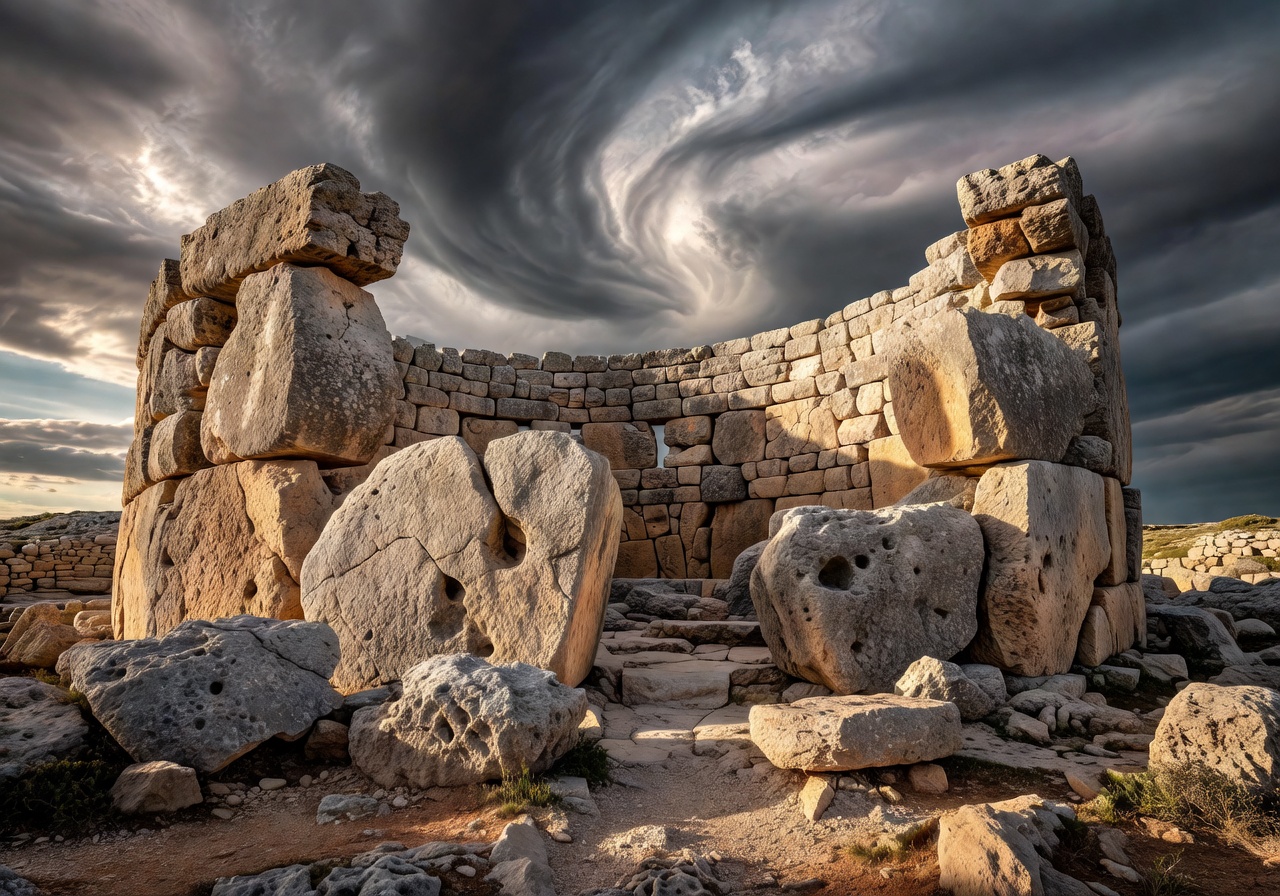 The Ġgantija Temples — older than the pyramids and Stonehenge
Why You Should Visit Gozo
If Malta is the main course, Gozo is the unexpected dessert that steals the meal. Smaller, greener, and more rural than its sister island, Gozo offers a different rhythm entirely. The landscape is more varied — rolling hills, terraced farmland, dramatic cliffs, and red-sand beaches. The diving is world-class, with sites like the Inland Sea and the underwater chimney at the former Azure Window location drawing divers from across the globe.
But perhaps Gozo's greatest appeal is its authenticity. This is where you find the Malta that tourism hasn't polished — real village bakeries, farmers selling produce from their doorsteps, churches where Sunday mass is still the week's main event, and elderly locals chatting on limestone benches in the evening cool. Gozo doesn't perform for tourists; it simply is. And that genuine quality is increasingly rare and precious.
Best Things to Do on Gozo
- The Citadel (Victoria): Gozo's ancient fortified capital sits atop the island's highest point. The views from the ramparts span the entire island and across the channel to Malta. Inside, the Cathedral of the Assumption features a remarkable trompe-l'oeil painted dome — the builders ran out of money for a real one, so they painted one instead. It's completely convincing.
- Ġgantija Temples: These UNESCO World Heritage temples are awe-inspiring in their scale and antiquity. The interpretive centre provides excellent context, and standing among stones that were placed here 5,600 years ago is genuinely humbling.
- Ramla Bay: Gozo's most beautiful beach features distinctive red-orange sand (unique in Malta) set in a valley of terraced fields. The remains of a Roman villa lie just behind the beach, and Calypso's Cave — legendarily where Odysseus was held captive by the nymph Calypso — overlooks it from the cliff above.
- The Inland Sea (Dwejra): A circular lagoon connected to the open Mediterranean by a narrow tunnel through the cliff. Fishermen still keep their colourful boats here, and you can take a small boat ride through the tunnel to see the dramatic Dwejra coastline from the sea.
- Diving at the Azure Window site: Though the famous limestone arch collapsed in 2017, the underwater landscape it created is now one of the Mediterranean's most extraordinary dive sites, with dramatic rock formations, swim-throughs, and abundant marine life.
- Ta' Pinu Basilica: This neo-Romanesque church, rising alone from the countryside between Għarb and Għammar, is Gozo's most important pilgrimage site. The interior is breathtaking, and the surrounding walk through quiet farmland is pure Gozo.
Best Time to Visit Gozo
Spring (April–June) is magical on Gozo — the island is at its greenest, wildflowers carpet the hills, and temperatures are perfect for hiking and exploring. September and October offer warm seas for swimming and diving with fewer visitors. The festa season (June–September) brings each village to life with fireworks, band marches, and community celebrations that offer a genuine window into Gozitan culture.
Travel Tips for Gozo
- The Gozo Channel ferry from Ċirkewwa (Malta) runs every 45 minutes and takes about 25 minutes. No need to book — just show up.
- Rent a car or scooter to explore properly — Gozo's public transport is limited and the best spots require driving on narrow country roads.
- Stay at least one night. Most visitors come for a day trip and miss Gozo's best moments — the quiet evenings and early mornings.
- Try ftira Għawdxija — Gozo's traditional flatbread, topped with tomatoes, olives, capers, and local cheese. It's different from (and arguably better than) the Maltese version.
- The salt pans at Marsalforn are beautiful and still producing sea salt — buy some as the perfect Malta souvenir.
Hidden Facts About Gozo
Gozo produces most of Malta's honey — its ancient name "Calypso's Island" may derive from the Homeric nymph, but some scholars believe it comes from a Semitic word for honey. The island has its own dialect of Maltese that differs noticeably from the mainland. Gozo's ratio of churches to population is among the highest anywhere — virtually every village has at least one grand church that would be a cathedral in any other country. The island was also the last place in the Maltese archipelago where the traditional craft of lace-making was practised as a living tradition, and you can still watch artisans at work in the Citadel.