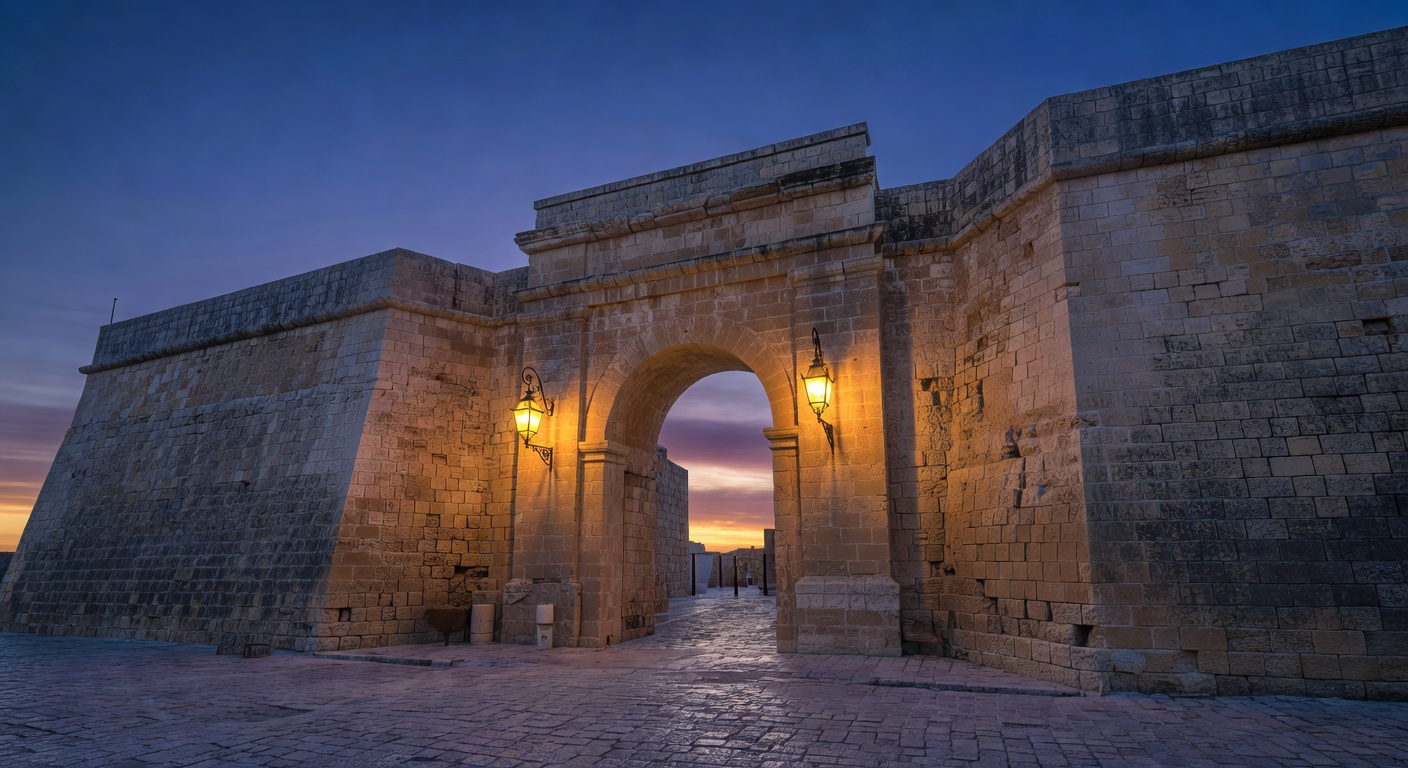
The Ancient History of Mdina
Mdina's story stretches back over 4,000 years. The hilltop was first settled during the Bronze Age, its elevated position making it a natural stronghold. The Phoenicians were among the first to fortify it, and the Romans — who called it Melita — built a grand city here that served as the island's administrative heart. According to tradition, it was in Mdina (or just outside its walls) that the Apostle Paul stayed after his famous shipwreck on Malta in 60 AD.
The Arabs, who ruled Malta from around 870 to 1091 AD, gave the city its current name — "Mdina" derives from the Arabic "medina," meaning "walled city." They also separated it from the surrounding suburb of Rabat with a deep defensive ditch. When the Normans conquered Malta, they made Mdina the seat of the local nobility, and it remained the capital until the Knights of St. John arrived in 1530 and shifted power to the harbour area.
Gradually, as Valletta grew in importance, Mdina's population dwindled. But rather than decline, this gave the city its unique atmosphere. Today, with fewer than 300 permanent residents, Mdina has preserved its medieval character almost perfectly — earning the evocative nickname "The Silent City."
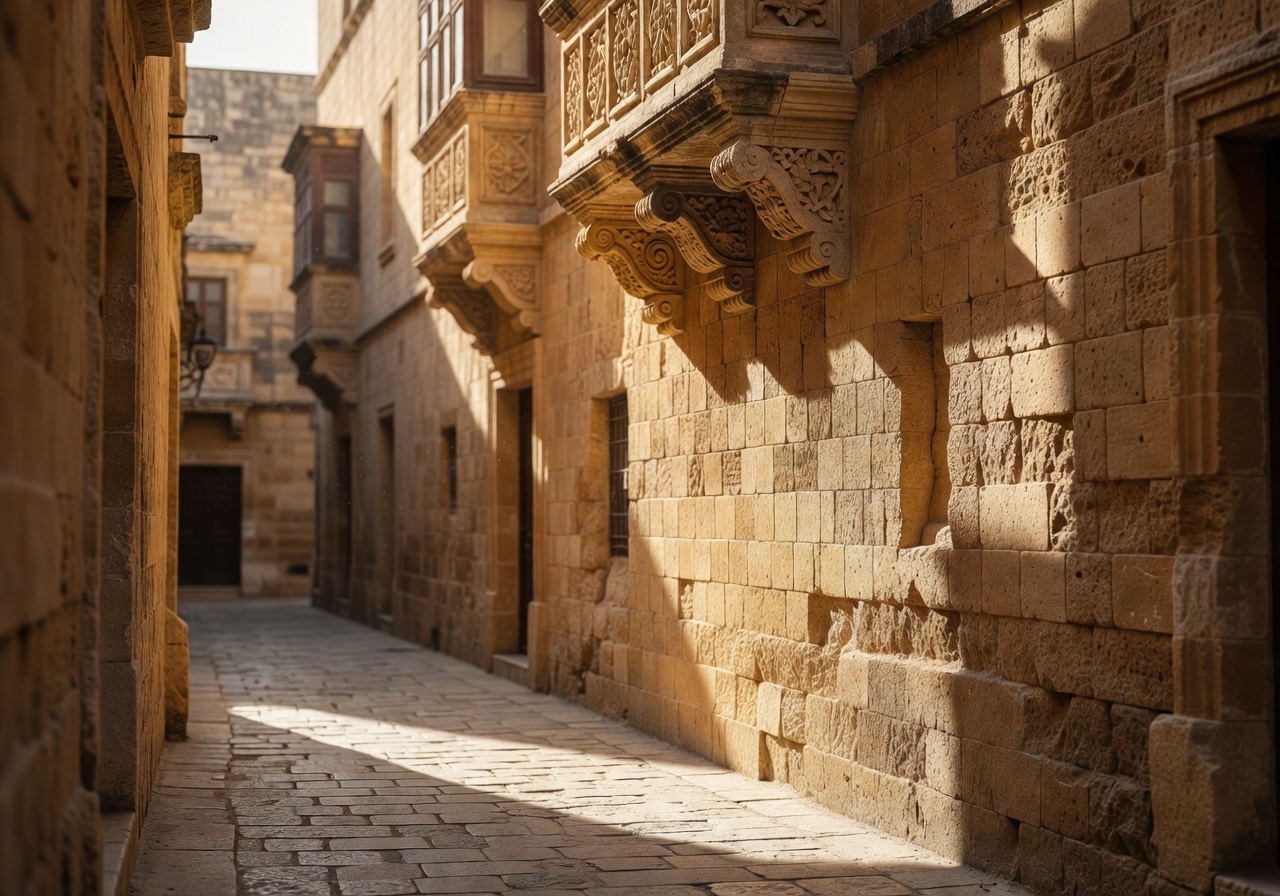 Mdina's narrow streets — where every step echoes centuries of history
Why You Should Visit Mdina
Walking through Mdina's main gate is like crossing a threshold in time. The modern world falls away. Cars are banned (only residents may drive within), and the narrow lanes are so quiet you can hear the wind whispering through the stone. The architecture is a stunning mix of medieval and Baroque, with noble palaces, hidden gardens, and churches that hold artistic treasures rivalling those of major European capitals.
The views from Mdina's ramparts are arguably the best in all of Malta — on a clear day, you can see from the northern coast to the southern cliffs, with the dome of Mosta Rotunda rising magnificently in the middle distance. At night, Mdina transforms completely: soft lantern light casts golden shadows on the honey-coloured walls, and the silence becomes almost tangible.
Best Things to Do in Mdina
- The Main Gate (Vilhena Gate): This theatrical Baroque entrance was built in 1724 and sets the tone perfectly — cross the bridge over the old moat and enter another world.
- St. Paul's Cathedral: Built on the site where the Roman governor Publius allegedly met St. Paul, this cathedral features stunning marble floors (each slab a tombstone of a noble or bishop) and a Mattia Preti-painted ceiling.
- Palazzo Falson: A beautifully preserved medieval noble house turned museum, with collections of art, silver, antique weapons, and a rooftop that offers intimate city views.
- Bastion Square & Ramparts: Walk the fortification walls for panoramic views across Malta. This is where many Game of Thrones scenes were filmed (Mdina stood in for King's Landing's gates).
- Fontanella Tea Garden: Perched on the bastions, this legendary café serves enormous slabs of homemade cake with views that stretch to the sea. A quintessential Mdina experience.
Best Time to Visit Mdina
Mdina is magical year-round, but each season offers something different. Early morning and late afternoon are the best times on any given day — the light is beautiful and most tour groups have left. For the ultimate experience, visit at night — the city is illuminated with warm lanterns and feels genuinely timeless.
In spring (March–May), the surrounding countryside is lush and wildflowers bloom in the moat. September brings Mdina's Medieval Festival ("Medievalfest"), when the streets come alive with costumed performers, jousting, falconry, and period music — it's like the city's past returns to life.
Travel Tips for Mdina
- Combine your visit with neighbouring Rabat — the catacombs, Roman villa, and local eateries are all within walking distance.
- Wear good shoes — the smooth limestone streets can be slippery, especially in the morning dew.
- There's no need to rush. Mdina is tiny — the joy is in wandering slowly and absorbing the atmosphere.
- For the best photos, visit on a weekday morning or after 5 PM when the day-trippers leave.
- Buses 51, 52, and 56 from Valletta stop right outside Mdina's walls.
Hidden Facts About Mdina
Mdina was used as a filming location for the first season of Game of Thrones — its gates stood in for King's Landing. The city has its own noble families who have lived within its walls for generations, some tracing their lineage back to Norman times. Beneath Mdina and Rabat lies an extensive network of Roman catacombs — burial chambers carved into the rock — some dating back to the 3rd century AD. Perhaps most remarkably, the cathedral's floor is made entirely of inlaid marble tombstones, creating an extraordinary memorial artwork beneath your feet.
The Local Experience
To experience Mdina like a local, visit in the evening when the city belongs to its residents. The narrow streets echo with the sound of dinner preparations from behind shuttered windows. Sit at Fontanella as the sun dips below the horizon and the lights of distant villages begin to twinkle. Walk the ramparts under starlight. Then head into Rabat for dinner at a traditional Maltese restaurant — try the rabbit stew (fenkata), Malta's national dish, washed down with a local Ġellewża wine.