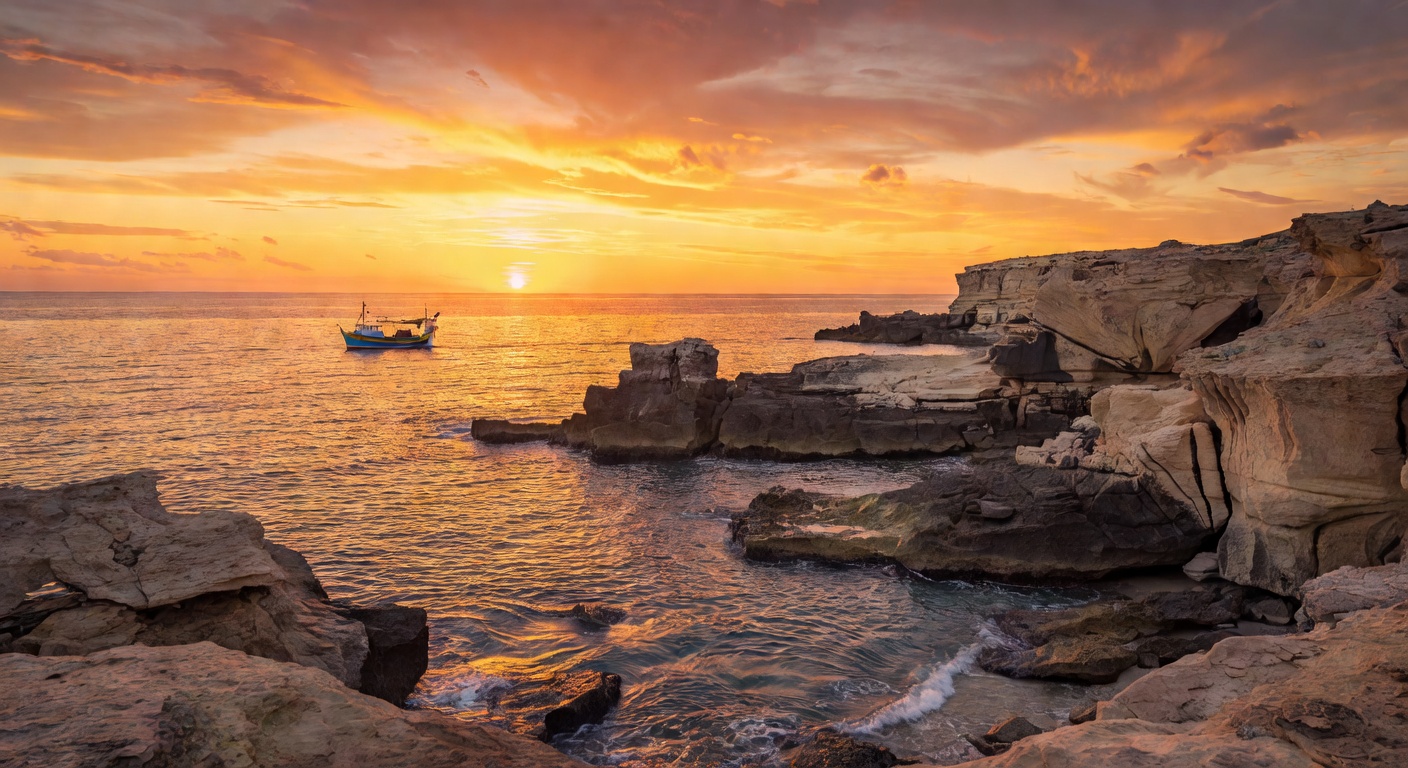
When to Visit Malta: A Season-by-Season Guide
Malta's Mediterranean climate means there's genuinely no bad time to visit — but each season offers a different flavour of the islands.
Spring (March – May)
The islands burst into bloom. Temperatures range from 15–24°C, perfect for walking, cycling, and exploring historic sites without the summer heat. Wildflowers carpet the countryside, the sea begins to warm, and the tourist crowds haven't yet arrived. This is arguably Malta's most beautiful season — and its best-kept secret.
Summer (June – August)
Hot, sunny, and vibrant. Temperatures regularly hit 33–36°C, and the sea is warm enough for comfortable swimming well into the evening. This is peak season for beach-goers, divers, and party-seekers. The festa season fills villages with fireworks and celebrations every weekend. Book accommodation and restaurants well in advance.
Autumn (September – November)
Our favourite season. The summer crowds thin, but the sea remains warm (often 24–26°C through October). Temperatures are pleasant (20–28°C), the light turns golden, and the islands feel calmer and more authentic. September and October are ideal for diving, hiking, and cultural exploration.
Winter (December – February)
Mild by European standards (10–16°C), with occasional rain. This is the time for culture lovers — museums, churches, and historic sites are empty, restaurants are uncrowded, and accommodation is at its cheapest. Christmas in Malta is charming, with nativity scenes (presepju) in every village and traditional seasonal treats.